
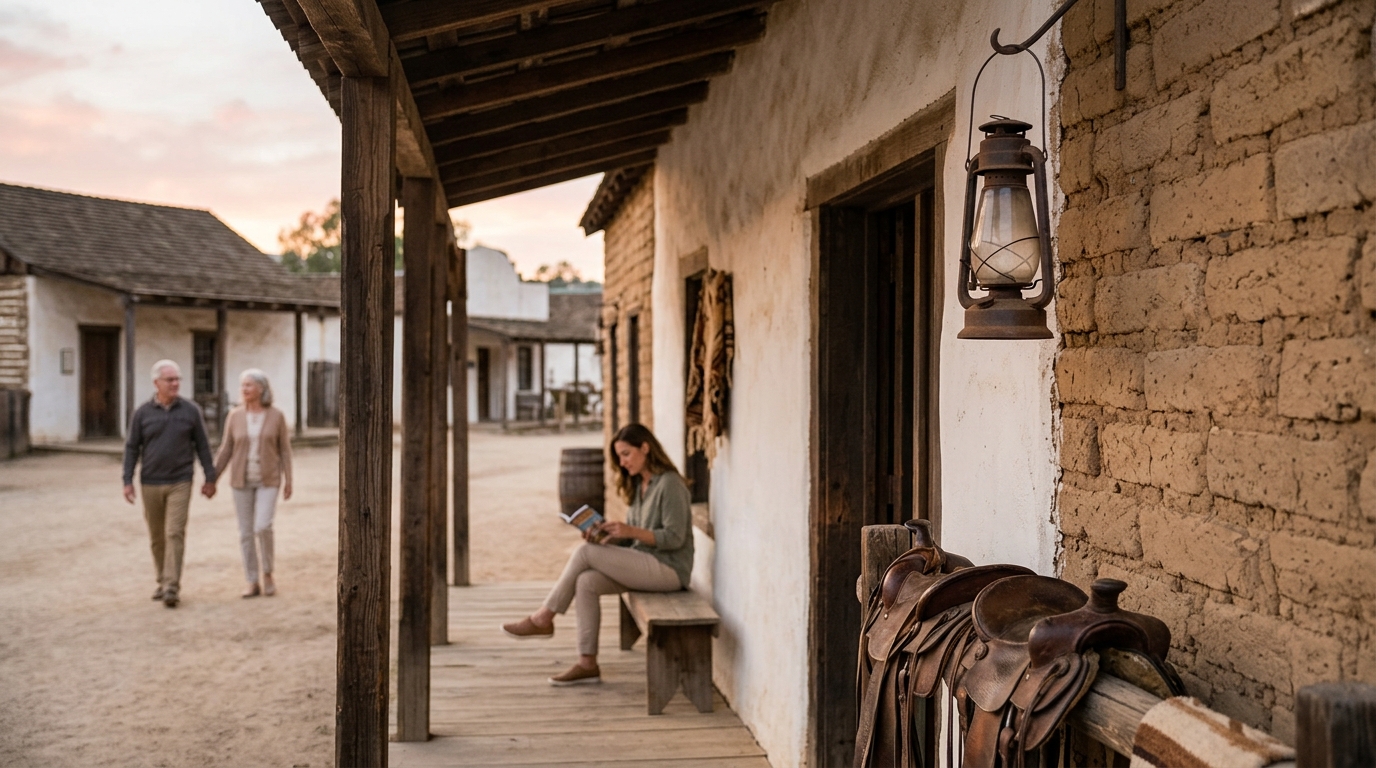
Old Town San Diego State Historic Park stands as the foundational cornerstone of California's cultural heritage, yet maintaining its architectural integrity requires rigorous, ongoing preservation efforts. According to the California State Parks system, the site serves as the birthplace of California, hosting the first American settlement in the region established in 1835. This historical weight demands that every brick, adobe wall, and period artifact be treated with scientific precision and cultural respect. The preservation of this district is not merely about maintaining a tourist attraction; it is about safeguarding the tangible memory of the Mexican and early American eras that shaped the state. Without dedicated stewardship, the unique adobe structures that define the area would succumb to the relentless pressures of urbanization and environmental decay. (About Another Side Of)
The Science of Adobe Preservation
Adobe is a composite material made from earth and organic materials like straw or dung. This ancient building technique is central to the identity of Old Town San Diego, yet it presents unique preservation challenges. Unlike modern concrete or steel, adobe is sensitive to moisture, temperature fluctuations, and seismic activity. The preservation of these structures requires a delicate balance between maintaining historical accuracy and ensuring structural safety for visitors.
One of the primary challenges in adobe preservation is the need for regular maintenance. The material must be replastered periodically to protect it from rain and wind erosion. This process is not simply cosmetic; it is essential for the structural longevity of the buildings. Preservationists must use traditional materials and techniques to ensure that the repairs are compatible with the original construction. Using modern cement or synthetic materials can trap moisture within the walls, leading to faster deterioration.
The preservation of the Casa de Estudillo, for example, highlights the importance of this careful approach. As the oldest surviving structure in San Diego, its walls have undergone numerous repairs over the decades. Each repair is documented and executed with a focus on historical fidelity. This commitment to detail ensures that the building remains a credible representation of mid-19th-century life. The dedication to using authentic materials helps maintain the visual and tactile experience for visitors, allowing them to connect with the past in a tangible way.
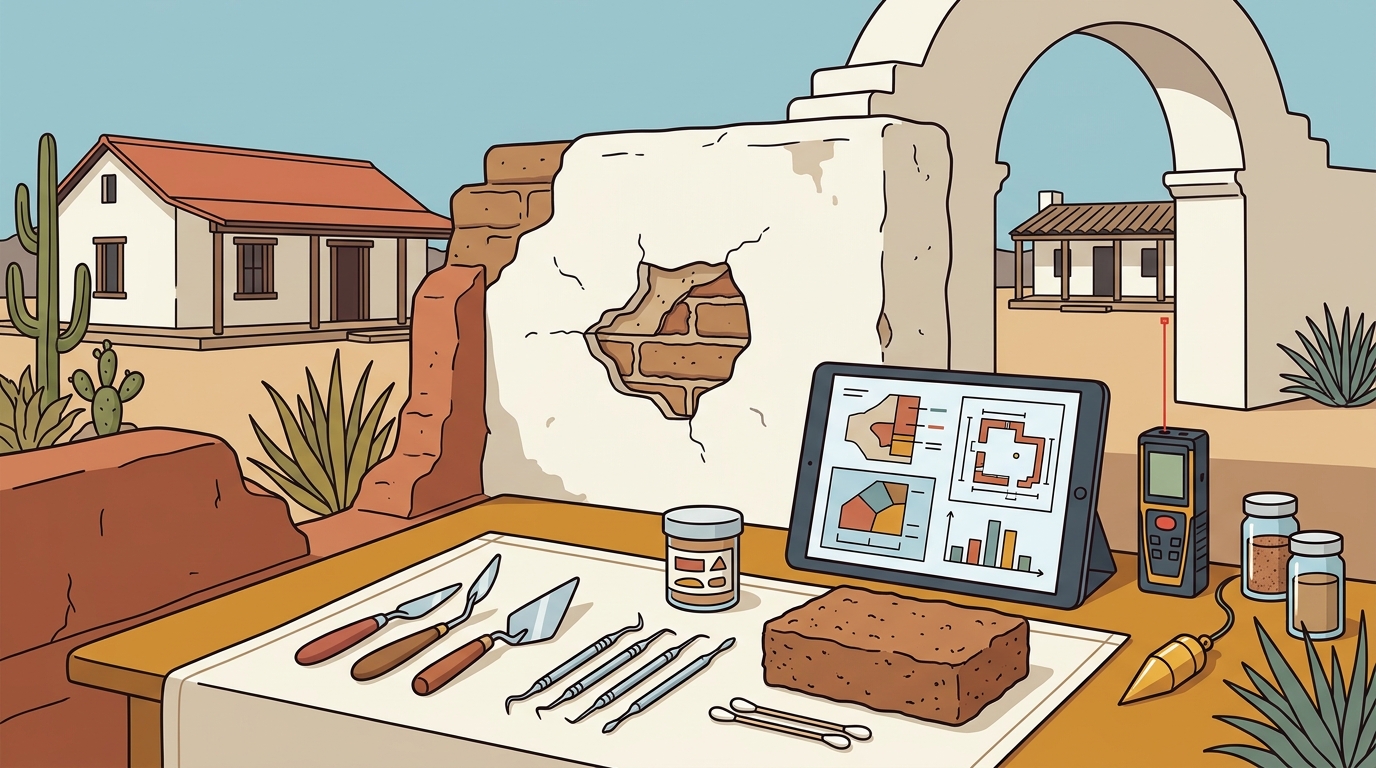
Furthermore, the preservation of adobe structures involves monitoring environmental factors. Humidity levels, temperature changes, and even the root systems of nearby trees can impact the stability of the walls. Preservation teams use advanced monitoring tools to detect early signs of stress or damage. This proactive approach allows for timely interventions before minor issues become major structural problems. The goal is to preserve the building in a state that reflects its historical significance while ensuring it remains safe for public access.
Challenges of Modern Authenticity
Authenticity in historic preservation refers to the degree to which a site retains its original materials, design, and setting. In Old Town San Diego, achieving this authenticity is complicated by the need to adapt to modern safety codes and accessibility requirements. The preservation team must navigate these constraints without compromising the historical integrity of the site.
One significant challenge is the integration of modern utilities. The original buildings were not designed to accommodate electrical wiring, plumbing, or climate control systems. Installing these systems requires careful planning to avoid damaging historic fabric. Preservationists often use hidden conduits and reversible installation methods to ensure that modern additions do not detract from the historical appearance. This approach allows the buildings to function safely while maintaining their historical character.
Another challenge is the interpretation of history. Preservation is not just about buildings; it is also about the stories and experiences associated with them. The site must present a balanced and accurate narrative of the diverse cultures that have inhabited the area, including Native American, Mexican, and American influences. This requires ongoing research and collaboration with historians and community members to ensure that the interpretation is respectful and comprehensive. The goal is to create an immersive experience that educates visitors about the complex history of the region.
The presence of commercial activities in Old Town also poses a challenge to authenticity. The area is a popular tourist destination, with numerous shops and restaurants operating within the historic district. While these businesses contribute to the local economy, they must adhere to strict guidelines to maintain the historical ambiance. Facades, signage, and interior designs are regulated to ensure they are consistent with the period being represented. This balance between commerce and preservation is critical to the site's long-term viability.
Tourism and Conservation Balance
Old Town San Diego attracts millions of visitors annually, making it one of the most visited historic sites in California. This high volume of tourism presents both opportunities and challenges for preservation. On one hand, tourism generates revenue that supports conservation efforts. On the other hand, the physical wear and tear from large crowds can accelerate the deterioration of historic structures.
Visitor Management Strategies
To mitigate the impact of tourism, preservationists employ various visitor management strategies. These include limiting access to sensitive areas, providing guided tours to control group sizes, and installing protective barriers around fragile artifacts. These measures help to protect the historic fabric while still allowing visitors to experience the site. The goal is to create a sustainable model of tourism that supports preservation rather than undermining it.
Education plays a crucial role in visitor management. By informing visitors about the importance of preservation and their role in it, the site can foster a sense of shared responsibility. Signage, interpretive displays, and guided tours provide context and encourage respectful behavior. When visitors understand the value of the site, they are more likely to contribute to its preservation through their actions.
Educational Programs
Educational programs are a key component of the preservation strategy at Old Town San Diego. These programs target schools, community groups, and tourists, offering insights into the history and preservation of the site. Workshops on adobe repair, historical reenactments, and lectures by historians provide diverse learning opportunities. These programs help to build a broader base of support for preservation efforts and ensure that the history of the site is passed on to future generations.
The integration of technology in educational programs has also enhanced the preservation narrative. Virtual reality tours and digital archives allow visitors to explore the site in ways that are not possible through physical access alone. These tools provide detailed views of architectural details and historical contexts that might otherwise be obscured. They also serve as a backup record of the site's condition, aiding in future preservation efforts.
Preservation Models Comparison
Different historic sites employ various preservation models, each with its own strengths and weaknesses. Understanding these models helps to contextualize the approach taken at Old Town San Diego.
| Preservation Model | Primary Focus | Strengths | Weaknesses |
|---|---|---|---|
| Restoration | Returning a site to a specific period in its history. | High historical accuracy; immersive experience. | May erase later historical layers; costly. |
| Preservation | Maintaining a site in its current state. | Cost-effective; retains all historical periods. | May appear less "authentic" to the public. |
| Adaptive Reuse | Repurposing historic buildings for modern use. | Sustainable; generates revenue. | Risk of compromising historical integrity. |
| Conservation | Preventing further decay through minimal intervention. | Long-term stability; respects original material. | Requires ongoing maintenance; less visible impact. |
Old Town San Diego primarily utilizes a combination of preservation and conservation models. This approach ensures that the site remains stable and authentic while allowing for necessary adaptations. The use of traditional materials and techniques in repairs aligns with the conservation model, while the interpretation of specific historical periods reflects restoration principles. This hybrid approach allows the site to serve as both a living museum and a protected historic landmark.
Key Takeaways
- Adobe preservation requires regular replastering using traditional materials to prevent moisture damage and structural decay.
- Authenticity is maintained by integrating modern utilities through reversible installation methods that do not damage historic fabric.
- Old Town San Diego State Historic Park is recognized as the birthplace of California, hosting the first American settlement in 1835.
- Visitor management strategies, including guided tours and access limitations, are essential to mitigate the physical impact of tourism.
- Educational programs and technology integration help build public support and provide detailed historical context for visitors.
- The Casa de Estudillo, the oldest surviving structure in San Diego, exemplifies the need for careful, documented preservation efforts.
- A hybrid preservation model combining conservation and restoration principles ensures both structural stability and historical accuracy.
Frequently Asked Questions
What is the primary material used in Old Town San Diego's historic buildings?
The primary material is adobe, a composite of earth, water, and organic fibers like straw, which requires specific maintenance to prevent erosion.
How does tourism impact the preservation of Old Town San Diego?
Tourism generates essential funding for conservation but also causes physical wear, necessitating strict visitor management and educational programs.
What is the difference between restoration and preservation in this context?
Restoration aims to return a site to a specific historical period, while preservation focuses on maintaining the site in its current state to retain all historical layers.
Why is the Casa de Estudillo significant to preservation efforts?
As the oldest surviving structure in San Diego, it serves as a critical benchmark for authentic adobe repair techniques and historical accuracy.
How are modern utilities integrated into historic buildings without damage?
Utilities are installed using hidden conduits and reversible methods to ensure that modern additions do not compromise the historic fabric of the walls.
What role do educational programs play in preservation?
Educational programs foster public support by explaining the importance of preservation and encouraging respectful visitor behavior.
How does Old Town San Diego balance commerce and history?
Commercial activities are regulated through strict guidelines on facades and signage to ensure they align with the historical ambiance of the district.
Explore Old Town with Expert Guides
Understanding the complexities of historic preservation enhances the experience of visiting Old Town San Diego. To gain deeper insights into the stories behind the adobe walls and the efforts to keep this history alive, consider joining a guided tour. Another Side Of San Diego Tours offers expert-led experiences that highlight the unique heritage of the area. Our La Jolla E-Bike Tours provide a different perspective on San Diego's coastal history, while our Custom Tours can be tailored to focus on specific historical themes. For those interested in corporate events, we offer Custom Team Building activities that incorporate local history. Contact us at contact-us/ to book your journey into San Diego's past.